What is Silicon Carbide Tubes and Their Applications?
Silicon Carbide Tubes have emerged as a revolutionary material in various industries. These tubes are known for their exceptional thermal conductivity and resistance to corrosion. Dr. Emily Thompson, a leading expert in materials science, emphasizes their versatility by stating, "Silicon Carbide Tubes are transforming sectors like aerospace and electronics with their unique properties."
These tubes are not just robust; they are lightweight and can withstand extreme temperatures. Industries rely on Silicon Carbide Tubes for their efficiency and longevity. For example, they are often used in high-performance gas turbines and semiconductor applications. However, the production of these tubes is not without challenges. The manufacturing process requires precision and advanced technology.
Despite their benefits, users must consider the costs involved. There is an inherent complexity in sourcing quality Silicon Carbide Tubes. The market is competitive, and understanding material specifications is crucial. Innovations continue to emerge, pushing the boundaries of what these tubes can achieve. As the industry evolves, staying informed is essential for making educated decisions.
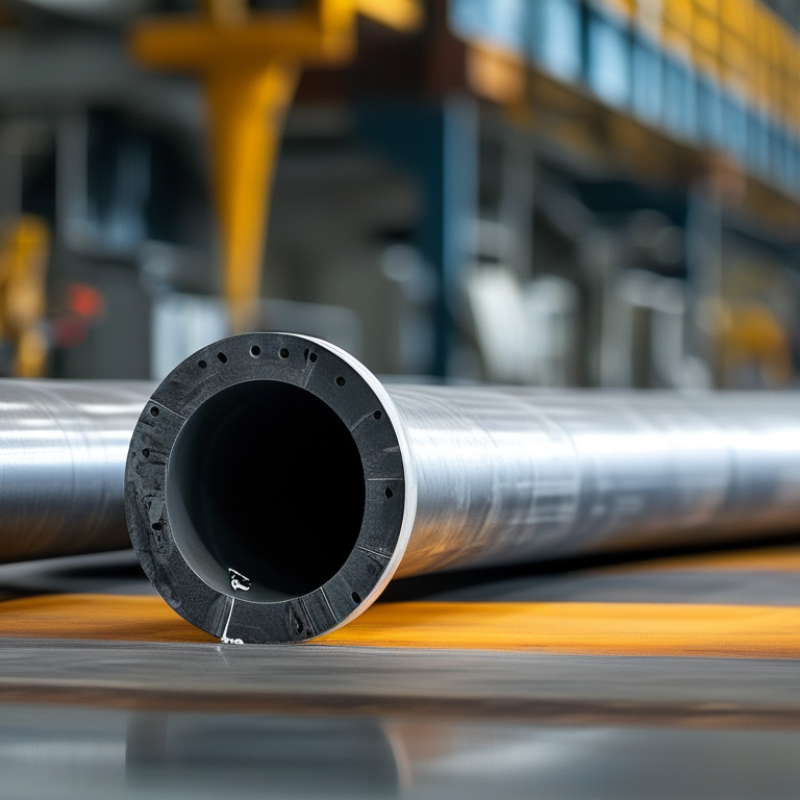
Definition and Properties of Silicon Carbide Tubes
Silicon carbide (SiC) tubes are unique components known for their robust properties. They exhibit exceptional thermal and chemical resistance. According to a report by Research and Markets, the global silicon carbide market is projected to grow at a CAGR of 20% by 2026. This growth is driven by the increasing demand for high-performance materials.
The exceptional hardness of SiC makes these tubes ideal for harsh environments. They withstand extreme temperatures, often exceeding 1400°C. The material's high thermal conductivity ensures efficient heat transfer, critical in industrial applications. Many industries employ SiC tubes in manufacturing processes, including aerospace, semiconductors, and energy.
Despite their advantages, SiC tubes have limitations. The production process can be costly, impacting overall affordability. Additionally, not all applications may benefit from their unique properties. Industries must weigh their specific needs against the expense and potential drawbacks. The choice to implement SiC tubes demands careful consideration.
Manufacturing Processes of Silicon Carbide Tubes
Silicon carbide tubes are engineered through specific manufacturing processes. These processes ensure the tubes possess desirable properties such as high thermal conductivity and excellent resistance to wear. The initial stage often involves powder preparation. Fine silicon carbide powder is blended with binders. This mixture is crucial for achieving desired density and strength.
Another key step is the forming process. The mixed powder is shaped using various techniques like extrusion or pressing. These methods allow for the creation of different tube dimensions. After shaping, the tubes undergo a sintering process. High temperatures facilitate the bonding of silicon carbide particles. This step is vital; it significantly impacts the mechanical integrity and durability of the final product.
Quality control during manufacturing is essential. It's common to encounter variations in density and microstructure. These inconsistencies could affect performance in applications. Therefore, rigorous testing is often conducted. The results help manufacturers refine their processes. Continuous feedback can lead to improvements in tube performance and reliability, ensuring that silicon carbide tubes meet industry standards effectively.
Key Applications of Silicon Carbide Tubes in Industry
Silicon carbide (SiC) tubes are increasingly utilized in various industries for their exceptional properties. Their high thermal conductivity and resistance to thermal shock make them ideal for applications in extreme environments. These tubes can endure temperatures above 1,600°C, making them suitable for high-temperature processes.
In the aerospace sector, SiC tubes play an essential role. They are often used in rocket propulsion systems and other components where weight and thermal management are critical. Reports show that the aerospace industry anticipates a 5% growth per year in the demand for advanced materials like SiC. This growth highlights the increasing reliance on such materials for improved performance and safety.
The semiconductor industry also benefits significantly from SiC tubes. Silicon carbide can help increase the efficiency of power devices, crucial for renewable energy systems. According to a recent market analysis, SiC device adoption could hit $3 billion by 2025. Yet, challenges remain. The manufacturing process is complex and costly, leading some companies to hesitate in investment. Thus, while the potential is enormous, the industry must address these hurdles to fully capitalize on SiC technology.
Advantages of Using Silicon Carbide Tubes Over Other Materials
Silicon carbide (SiC) tubes are becoming increasingly popular in various industries due to their unique properties. One notable advantage of silicon carbide tubes is their exceptional thermal resistance. They can withstand high temperatures, making them ideal for applications in furnace construction or chemical processing. This durability means they last longer than many traditional materials, reducing the need for frequent replacements.
Another significant benefit is their strong resistance to chemical corrosion. Silicon carbide does not react with a wide range of acids and alkalis, which enhances its reliability in harsh environments. Many companies have noted fewer failures when switching to SiC tubes for critical components. This reliability can lead to decreased downtime and maintenance costs in industrial settings.
Furthermore, silicon carbide's low thermal expansion coefficient ensures stability under temperature fluctuations. This property is crucial in aerospace and automotive applications, where materials experience rapid changes in temperature. However, while there are clear advantages, cost can be a consideration; silicon carbide materials may require a higher initial investment. Proper evaluation of long-term benefits versus upfront costs is essential for making informed decisions.
Future Trends and Innovations in Silicon Carbide Tube Technology
The future of Silicon Carbide (SiC) tube technology is promising, driven by advancements in materials science. Analysts predict that the SiC market will surpass $3.3 billion by 2025, fueled by its growing adoption in various industries. This growth stems from SiC’s excellent thermal conductivity, high strength, and resistance to corrosion. The demand for more efficient power devices in electric vehicles (EVs) and renewable energy applications significantly influences this trend.
Emerging innovations focus on improving the manufacturing processes of SiC tubes. Techniques such as additive manufacturing and chemical vapor deposition are enhancing production efficiency. These methods allow for complex designs and reduce material waste. However, challenges remain in scalability and cost management. As manufacturers innovate, they must balance quality with economic viability.
Tip: When considering SiC applications, pay attention to the specific temperature and pressure conditions. These factors greatly impact tube performance and longevity. Explore potential collaborations with research institutions to stay ahead of technological advancements and industry standards. Staying updated on these trends is essential for businesses aiming to leverage SiC in their products.