What is Tabular Alumina and Why is it Crucial for Industries?
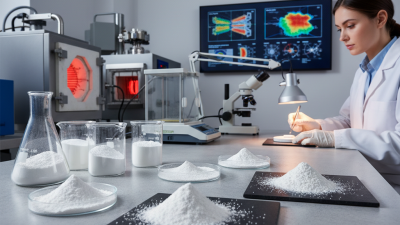
Tabular Alumina is a highly specialized form of alumina, known for its unique characteristics and industrial applications. This material is produced by sintering alumina powder at high temperatures. The result is a durable, low-porosity alumina that boasts excellent thermal and mechanical properties. Industries rely on Tabular Alumina for its superior performance in various applications, from refractories to ceramics and industrial abrasives.
The growing demand for materials that can withstand extreme conditions makes Tabular Alumina indispensable. It plays a critical role in the production of high-temperature refractories, ceramic tiles, and even abrasives. Professionals in metallurgy and ceramic engineering appreciate Tabular Alumina's stability and strength. Yet, the process of manufacturing this material requires careful control and expertise. Variations in production can lead to different properties, impacting the final product quality.
In an era where performance is paramount, understanding Tabular Alumina’s significance becomes crucial. It enhances efficiency and reliability across multiple sectors. However, as industries evolve, ongoing research is necessary to refine its applications. Balancing innovation with process control will shape the future of Tabular Alumina in industrial contexts.
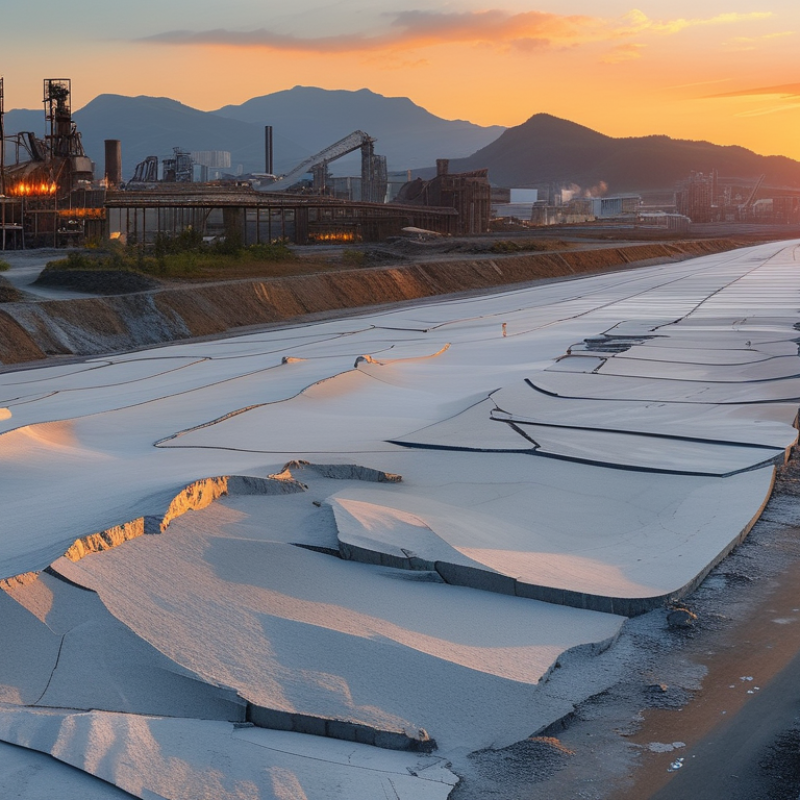
What is Tabular Alumina?
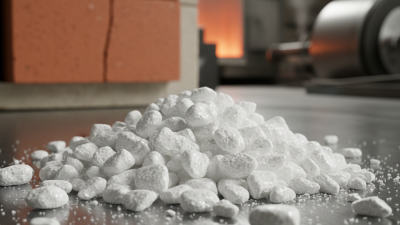
Tabular alumina is a processed form of alumina, known for its unique structure. This material is produced by calcining alumina at high temperatures. The result is a dense, high-purity ceramic form. It is characterized by its high hardness and excellent thermal stability. These properties make tabular alumina a popular choice in various industrial applications.
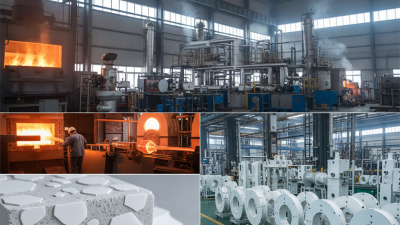
In industries like metallurgy, tabular alumina plays a critical role. It serves as a refractory material in furnaces. Its ability to withstand extreme temperatures ensures efficiency. Additionally, tabular alumina finds use in the production of high-performance ceramics. These ceramics are essential for tools and components that require high strength and durability. However, sourcing high-quality tabular alumina can sometimes be challenging. It's important for manufacturers to select reliable suppliers to meet their production needs.
The versatility of tabular alumina is noteworthy, but it is not without concerns. Some may overlook its environmental impact. Responsible sourcing and processing are vital for sustainable practices. Industry players are encouraged to reflect on their operational practices. By doing so, they can contribute to a more sustainable future while utilizing this remarkable material.
Composition and Production Process of Tabular Alumina
Tabular alumina is a specialized form of aluminum oxide known for its high purity and fine particle size. It is produced through a controlled sintering process. This involves heating alumina at high temperatures, typically around 1500°C, leading to the formation of dense, tabular crystals. These crystals are ideal for various industrial applications due to their excellent stability and low porosity.
The production process is crucial. After the raw bauxite is refined into alumina, it undergoes calcination. This step removes water and forms alumina powder. The powder is then shaped into granules and sintered. During sintering, temperature and time must be monitored closely. Any deviations can affect the final product's quality.
Tabular alumina's composition contributes to its mechanical and thermal properties. The presence of a high percentage of alpha-alumina guarantees durability and resistance to thermal shock. Industries demand this material for applications in refractory products, ceramics, and abrasives. Yet, there are challenges related to sourcing high-quality raw materials. Ensuring consistency in production remains a significant focus for manufacturers. This highlights the need for ongoing improvements in processes and standards within the industry.
Key Properties and Characteristics of Tabular Alumina
Tabular alumina is a highly specialized form of aluminum oxide. It is produced by heating alumina in a controlled environment. This process results in a dense, granular material with unique properties. Industries, particularly those in ceramics and refractory, often rely on its exceptional characteristics.
One key property of tabular alumina is its high purity. This ensures minimal contamination during high-temperature applications. Its excellent thermal stability makes it ideal for use in kilns and furnaces. Additionally, tabular alumina exhibits low thermal expansion. This feature is crucial when materials undergo significant temperature changes. It reduces the risk of cracking and warping.
Another critical aspect is its mechanical strength. Tabular alumina can withstand harsh environments and heavy loads. This makes it suitable for use in construction and manufacturing. However, achieving this level of performance involves careful processing. Any slight deviation can impact its quality and efficacy. Users should be mindful of this to ensure optimal performance in various applications.
Applications of Tabular Alumina in Various Industries
Tabular alumina plays a vital role in various industries due to its unique properties. This material is known for its high purity and exceptional resistance to heat. These qualities make it ideal for applications in refractory materials. In the steel and aluminum industries, tabular alumina is used as a part of refractory linings. The ability to withstand extreme temperatures is critical in these high-energy environments.
Moreover, tabular alumina is utilized in the ceramic industry. It enhances the durability and mechanical strength of ceramic products. Manufacturers appreciate its consistency and quality. However, some processes require multiple adjustments to find the right balance in formulations. This can lead to challenges in production efficiency.
The abrasives sector also benefits from tabular alumina. Its hardness makes it an excellent choice for grinding and polishing applications. Industries depend on it for consistent performance. Yet, sourcing high-quality tabular alumina can be daunting. Suppliers may vary in standards, leading to potential quality issues. It's a reminder of the importance of diligent supplier evaluation and material testing.
Applications of Tabular Alumina in Various Industries
The Importance of Tabular Alumina for Industrial Innovations
Tabular alumina is a highly refined aluminum oxide. Its unique properties make it essential for various industries. For example, according to the International Aluminium Institute, the use of alumina in advanced ceramics is projected to grow at a rate of 5% annually. This demand reflects its significant role in developing cutting-edge materials.
In sectors like steel production, tabular alumina offers excellent thermal shock resistance. This feature helps improve the durability of furnace linings. It can withstand extreme temperatures, making it invaluable. As reported by market analysts, the global demand for tabular alumina reached over 150 thousand tons last year. This indicates a robust market trend driven by industrial innovations.
Tips: Conduct regular assessments of your material sourcing. Evaluate the performance benefits tabular alumina can provide your business. It is vital to stay updated with industry forecasts to adapt effectively. A proactive approach can lead to significant advancements in product development and efficiency. Understanding the science behind tabular alumina will only enhance your strategic decisions.
What is Tabular Alumina and Why is it Crucial for Industries?
| Property |
Value |
Importance |
| Purity |
99.5% Al₂O₃ |
High purity ensures superior performance in refractory applications. |
| Grain Size |
0.2 - 1.0 mm |
Variety in grain size supports different industrial applications. |
| Melting Point |
2050 °C |
High melting point suitable for extreme temperature applications. |
| Thermal Conductivity |
20 W/mK |
Efficient heat transfer properties beneficial for various industries. |
| Applications |
Refractories, Ceramics, Abrasives |
Key material in numerous high-performance applications. |