Top Sources for Pure Alumina in China for Global Buyers?
In recent years, the demand for Pure Alumina has surged globally. China has emerged as a key supplier for this essential material. Pure Alumina is crucial in various industries, including electronics, ceramics, and aerospace. Identifying reliable sources in China becomes essential for global buyers.
As the market evolves, buyers face challenges in ensuring quality and transparency. Many suppliers offer competitive prices but may lack the necessary certifications. It is vital to research suppliers thoroughly. Engaging with established companies can mitigate risks. A strong focus on quality guarantees the desired outcomes in production.
Navigating the complex landscape of Pure Alumina sourcing requires diligence. Industry knowledge provides a significant advantage. Building relationships with reputable suppliers leads to more reliable partnerships. Buyers must remain cautious and informed in their procurement journey. Understanding the market will eventually drive success in obtaining high-quality Pure Alumina.
Overview of Pure Alumina and Its Applications
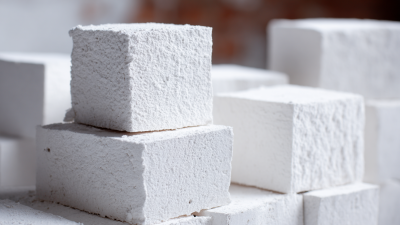
Pure alumina, or aluminum oxide, is a versatile material widely used in various industries. It is primarily known for its exceptional hardness and durability. Its applications range from the manufacture of abrasives and advanced ceramics to electronics and even pharmaceuticals. The demand for pure alumina has increased significantly in recent years, owing to its essential role in cutting-edge technologies.
Industries utilizing pure alumina benefit from its thermal stability and chemical resistance. In electronics, it serves as a substrate for components like circuit boards. In the medical field, it is used in prosthetics and dental applications due to its biocompatibility. These applications highlight the significance of purity and consistency in alumina’s production, impacting overall performance in each industry.
However, sourcing high-quality pure alumina presents challenges. Variability in production methods leads to inconsistent quality. Some suppliers may not meet stringent purity standards, affecting end-products. Buyers need to conduct thorough research and assess suppliers' reputations. Understanding these nuances is crucial for making informed decisions that can influence industry outcomes.
Key Players in China's Pure Alumina Production Industry
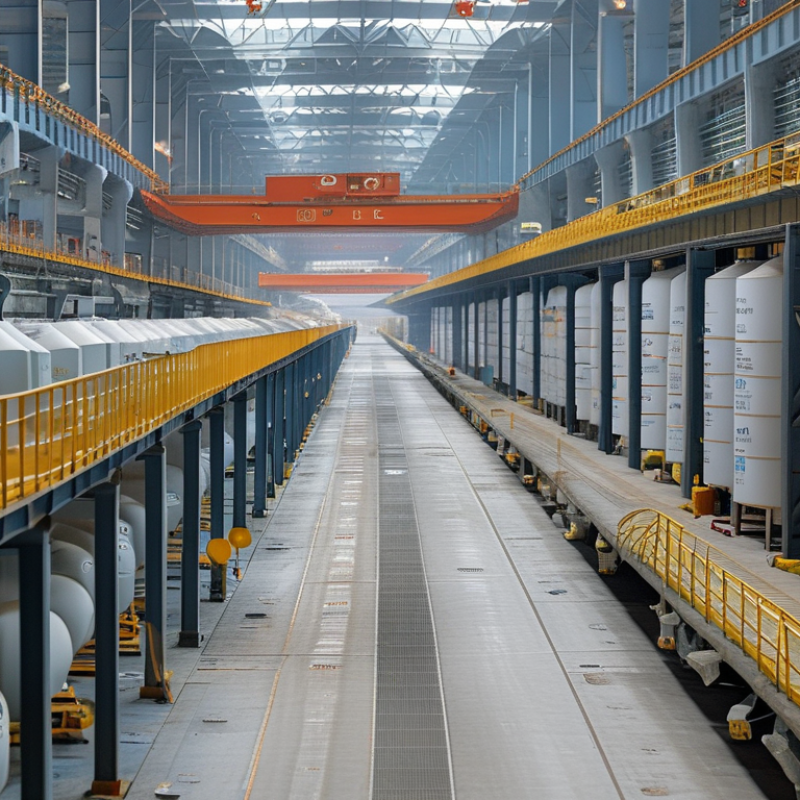
China plays a significant role in the global pure alumina market. Key players within the industry showcase a diverse range of capabilities. According to a recent industry report, China produces approximately 60% of the world's alumina. This extensive production contributes to its leading position in the global supply chain.
Major companies in the sector focus on innovative extraction and refining methodologies. They enhance purity levels to meet international standards. For example, the average purity of alumina produced in China is about 99.5%. This high level of purity aligns with global market demands. The competitive landscape continues to evolve, with some players emphasizing sustainable practices in alumina production.
Tips: When assessing pure alumina suppliers, consider their production capacity and technology. Look for transparency in quality reports. Maintain an openness to new entrants in the market. The industry is dynamic, and emerging players may offer unique advantages.
As the market grows, challenges arise. Environmental regulations are tightening, making compliance vital for all producers. Industry stakeholders must adjust their processes to minimize environmental impacts. The balance between production and sustainability remains a topic of ongoing reflection.
Quality Standards and Certifications for Pure Alumina in China
When sourcing pure alumina in China, understanding the quality standards is crucial. The Chinese market is home to stringent certification requirements. Manufacturers often adhere to standards such as ISO 9001. This certification ensures that they meet international quality management requirements. Compliance with these standards is a signal of reliability for global buyers.
In addition to ISO, other certifications like RoHS and REACH may also apply. These focus on environmental safety and restrict harmful substances. Buyers should verify these credentials before making commitments. Not all suppliers may have the necessary documentation readily available. This can lead to complications later on.
Navigating the market can be complex. Some companies might present their products as compliant without full verification. Engaging in thorough due diligence is essential. Requesting product samples can reveal potential discrepancies. Establishing communication with suppliers helps build a foundation of trust. Firms should seek independent testing when necessary.
Supply Chain and Logistics for Global Buyers of Pure Alumina
Supply chain management plays a crucial role for global buyers of pure alumina in China. The complexity of sourcing materials affects cost and efficiency. According to industry reports, around 30% of pure alumina is exported from China, highlighting its significance in the global market. Buyers must understand local regulations and logistics to enhance their procurement strategies.
Efficient logistics can lower costs by up to 15%. Companies should explore partnerships with local suppliers for better communication. Additionally, transportation modes like rail and shipping are vital. Reports indicate that rail can reduce transportation time by 25% compared to trucks, making it a preferred option for some buyers.
Challenges remain for global buyers. Fluctuations in demand can disrupt the supply chain. Moreover, some suppliers struggle with quality consistency. Regular audits can mitigate this risk but require resources. Understanding the local market landscape is essential for making informed decisions.
Market Trends and Future Projections for Pure Alumina in China
The market for pure alumina in China has experienced significant changes recently. Demand continues to rise, driven by industries like ceramics, electronics, and aluminum production. Manufacturers are optimizing their processes, aiming for higher purity levels. This pushes the market towards innovation and efficiency.
Future projections indicate a steady growth trajectory for pure alumina. By 2025, demand could surpass current supply levels. Environmental concerns are also shaping the industry. Companies may need to adopt sustainable practices to maintain their market position.
China's role as a leading exporter of pure alumina will depend on its ability to adapt. While there is high potential, challenges exist, such as fluctuating raw material costs and regulatory pressures. Monitoring these factors will be crucial for global buyers seeking reliable sources.
Market Trends of Pure Alumina in China (2023)