What is Zirconia Toughened Alumina Benefits and Applications?
Zirconia Toughened Alumina (ZTA) is rapidly emerging in various industries due to its unique properties. This advanced ceramic combines the strength of alumina with the toughness of zirconia. Dr. Alan Turner, a leading expert in ceramic materials, states, "Zirconia Toughened Alumina stands at the forefront of material science for its superior durability."
Manufacturers use ZTA in demanding applications. These include dental implants, cutting tools, and wear-resistant components. Its reliability is crucial in environments with high stress and wear. This material not only offers mechanical strength but also exceptional thermal stability. However, it is essential to consider cost versus performance. Not every industry can justify the investment in ZTA, especially for short-term projects.
The versatility of Zirconia Toughened Alumina continues to inspire innovation. Even as industries evolve, the challenge remains. How can we better balance performance and cost? By addressing these questions, we can unlock the potential of ZTA in even more applications.
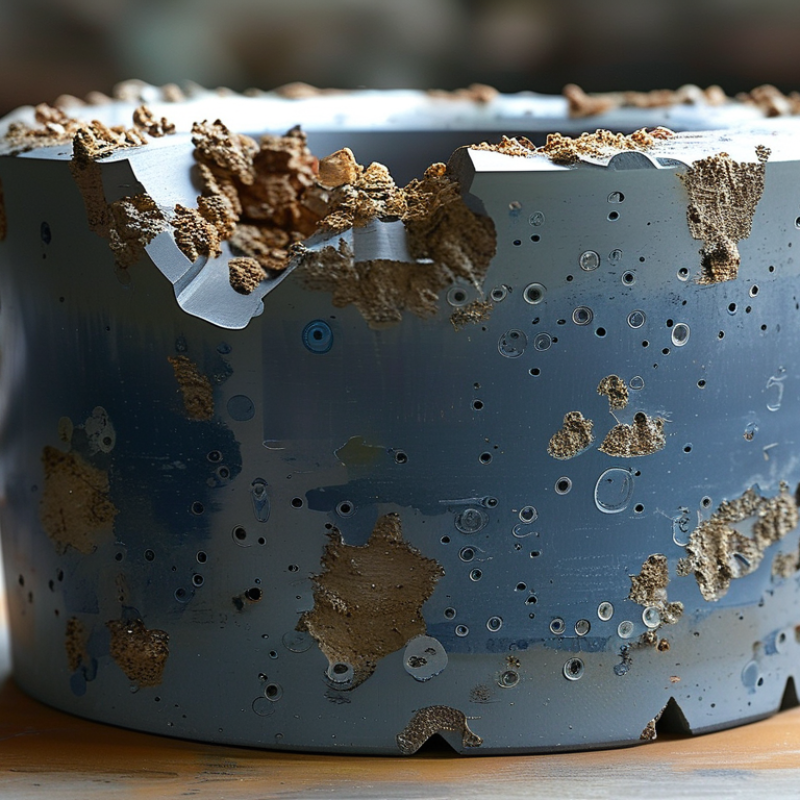
Overview of Zirconia Toughened Alumina (ZTA)
Zirconia Toughened Alumina (ZTA) combines the strength of zirconia with the hardness of alumina. This unique material offers exceptional mechanical properties and thermal stability. Industries frequently use it for wear-resistant applications. Common uses include cutting tools, grinding media, and ceramic components. These applications benefit from ZTA's impressive toughness.
The microstructure of ZTA features zirconia particles embedded within alumina. This combination enhances fracture toughness and resistance to crack propagation. The result is a material that withstands extreme conditions. ZTA is also lightweight and can be easily machined into various shapes. However, achieving optimal performance requires careful processing and quality control. Development of ZTA materials can sometimes lead to variations in properties, which necessitates thorough testing.
When considering ZTA, evaluating the specific application is crucial. Not every application may suit this advanced material. Its high production costs can also be a concern for some manufacturers. Overall, understanding ZTA's benefits and limitations helps in selecting the right materials for engineering challenges.
Key Benefits of Zirconia Toughened Alumina
Zirconia Toughened Alumina (ZTA) is renowned for its unique combination of toughness and strength. Its key benefits make it a preferred choice in various industrial applications. One significant advantage is its high fracture toughness, which can exceed 10 MPa·m^1/2, promoting durability in challenging environments. This quality enhances its reliability in components subjected to high stress.
Another notable benefit of ZTA is its high wear resistance. In manufacturing settings, wear costs can escalate quickly. Utilizing ZTA can reduce wear by approximately 50% when compared to traditional alumina. This translates into longer service life for products and less frequent replacements, ultimately leading to cost efficiency.
Moreover, ZTA's thermal stability is impressive. It can withstand temperatures up to 1600°C without significant degradation. This feature allows ZTA to be used in applications ranging from cutting tools to aerospace components. However, challenges remain in optimizing manufacturing processes to enhance performance consistently. Industries must continue to invest in research to address these evolving needs while leveraging the advantages ZTA offers.
Common Applications of Zirconia Toughened Alumina
Zirconia Toughened Alumina (ZTA) is renowned for its impressive mechanical properties and versatility.
Common applications span various industries, including dental, biomedical, and aerospace.
In dental applications, ZTA is used in crowns and bridges due to its aesthetic appeal and strength,
making it a preferred choice for dental restoration. A report by Grand View Research states that
the global dental ceramics market is projected to reach USD 3.2 billion by 2027, highlighting
the growing demand for materials like ZTA.
In aerospace, ZTA is utilized in components that must endure extreme conditions.
The material can withstand high temperatures and has a low thermal conductivity,
making it ideal for thermal barrier coatings. Its durability is reflected in research showing
a fracture toughness of 5-8 MPa·m1/2, a significant advantage over traditional alumina.
However, the manufacturing process can be complex and costly, which raises questions about
material selection and cost-effectiveness.
Moreover, in the biomedical sector, the biocompatibility of ZTA enhances its use in implants and prostheses.
Though ZTA exhibits excellent wear resistance, it requires careful consideration during processing.
The tendency for grain growth can weaken the material if not controlled properly.
Thus, while the benefits are substantial, the challenges in manufacturing and application merit ongoing study within the industry.
Comparative Analysis with Other Ceramics
Zirconia toughened alumina (ZTA) exhibits remarkable properties that distinguish it from other ceramic materials. According to a report by the American Ceramic Society, ZTA combines the toughness of zirconia with the hardness of alumina. This combination results in a material with superior fracture toughness, making it ideal for demanding applications. In contrast, conventional alumina ceramics offer good hardness but lack the toughness needed for certain uses.
In a comparative analysis, ZTA outperforms traditional alumina and silica in terms of wear resistance and thermal stability. Research conducted by the International Journal of Applied Ceramic Technology highlights that ZTA has a fracture toughness of 5-8 MPa√m, whereas standard alumina ranges from 3-4 MPa√m. These figures underline the robustness of ZTA in tools and components subjected to extreme conditions, such as cutting tools in manufacturing or dental applications.
However, ZTA’s manufacturing process can be intricate. The added zirconia requires precise control during sintering to avoid phase transformations that could weaken the structure. This challenge can lead to inconsistencies in product performance. As the industry moves forward, ensuring quality control while enhancing the material’s properties remains a critical area for research and improvement.
Zirconia Toughened Alumina Benefits and Applications
This bar chart illustrates the comparative analysis of properties related to Zirconia Toughened Alumina and its alternatives, highlighting its superior benefits in strength, fracture toughness, thermal stability, and wear resistance.
Future Trends in Zirconia Toughened Alumina Development
Zirconia Toughened Alumina (ZTA) is gaining traction across various industries. Its unique properties combine the advantages of both zirconia and alumina. This composite material boasts superior toughness, hardness, and wear resistance. In 2021, the global ZTA market was estimated at approximately $1.2 billion and is projected to grow at a CAGR of around 7.5% through 2028.
Future trends in ZTA development are fascinating. Researchers are exploring innovative ways to enhance its properties further. This includes nano-reinforcement techniques. The goal is to achieve improved thermal stability and mechanical strength. Additionally, advancements in manufacturing processes may lower production costs. These changes could make ZTA more accessible than ever.
The ceramics industry is particularly interested in ZTA for dental applications. Its biocompatibility and aesthetic properties are crucial for dental restorations. However, challenges remain. The balance between transparency and strength is delicate. As the material continues to evolve, addressing these issues will require ongoing research. Collaboration between academia and industry will be key to realizing ZTA's full potential.